June 23, 2026
The Parent Leadership Conference 2026: A Week of Advocacy and Storytelling in Washington, D.C.
What’s a Rich Text element?
What’s a Rich Text element?
What’s a Rich Text element?
What’s a Rich Text element?
What’s a Rich Text element?
What’s a Rich Text element?
The rich text element allows you to create and format headings, paragraphs, blockquotes, images, and video all in one place instead of having to add and format them individually. Just double-click and easily create content.
- testing number bullets
- and two
- and now threeee
Static and dynamic content editing
A rich text element can be used with static or dynamic content. For static content, just drop it into any page and begin editing. For dynamic content, add a rich text field to any collection and then connect a rich text element to that field in the settings panel. Voila!
- Testnig one bullet
- two bullets
- and now three

How to customize formatting for each rich text
Headings, paragraphs, blockquotes, figures, images, and figure captions can all be styled after a class is added to the rich text element using the "When inside of" nested selector system.
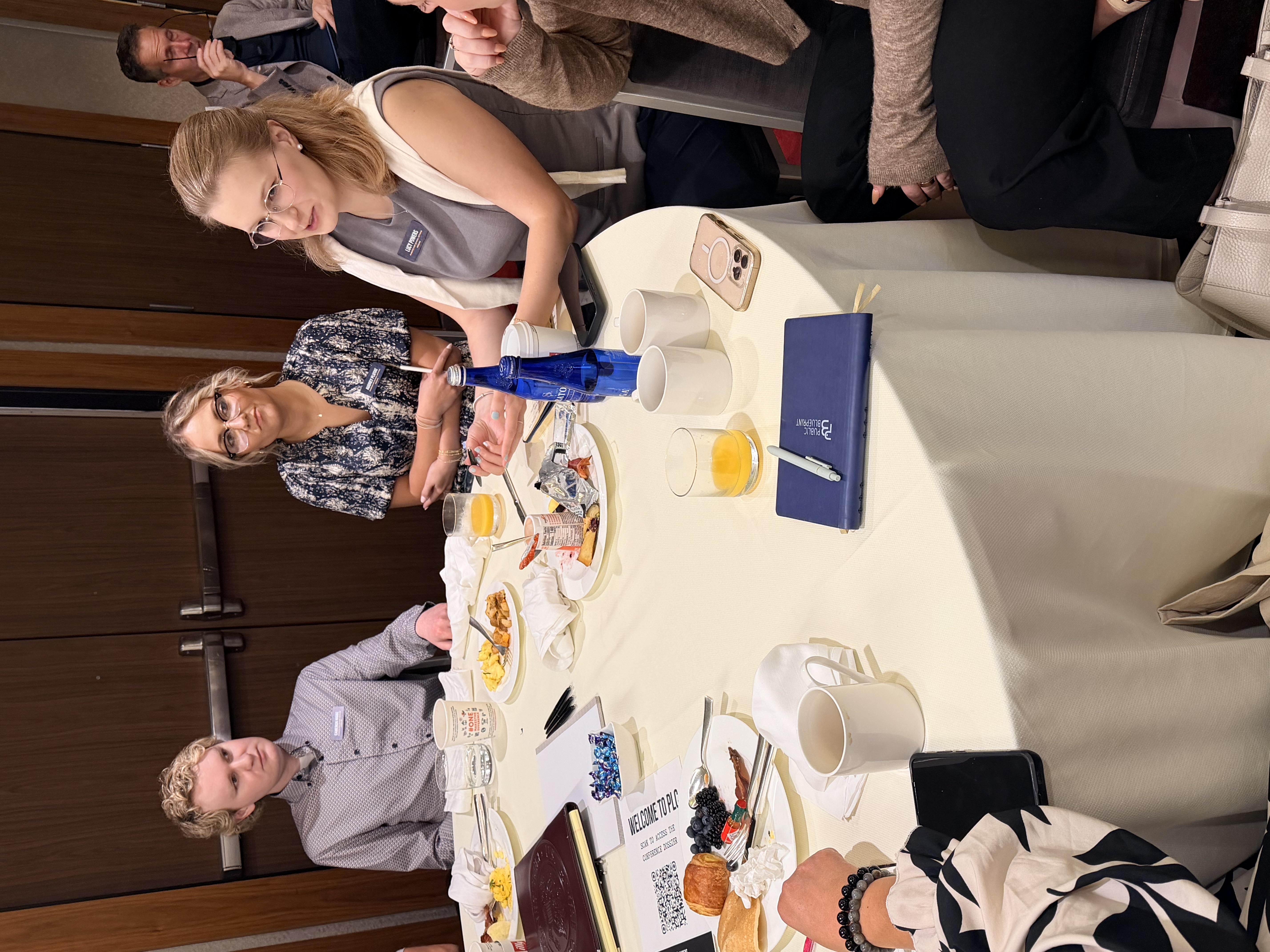
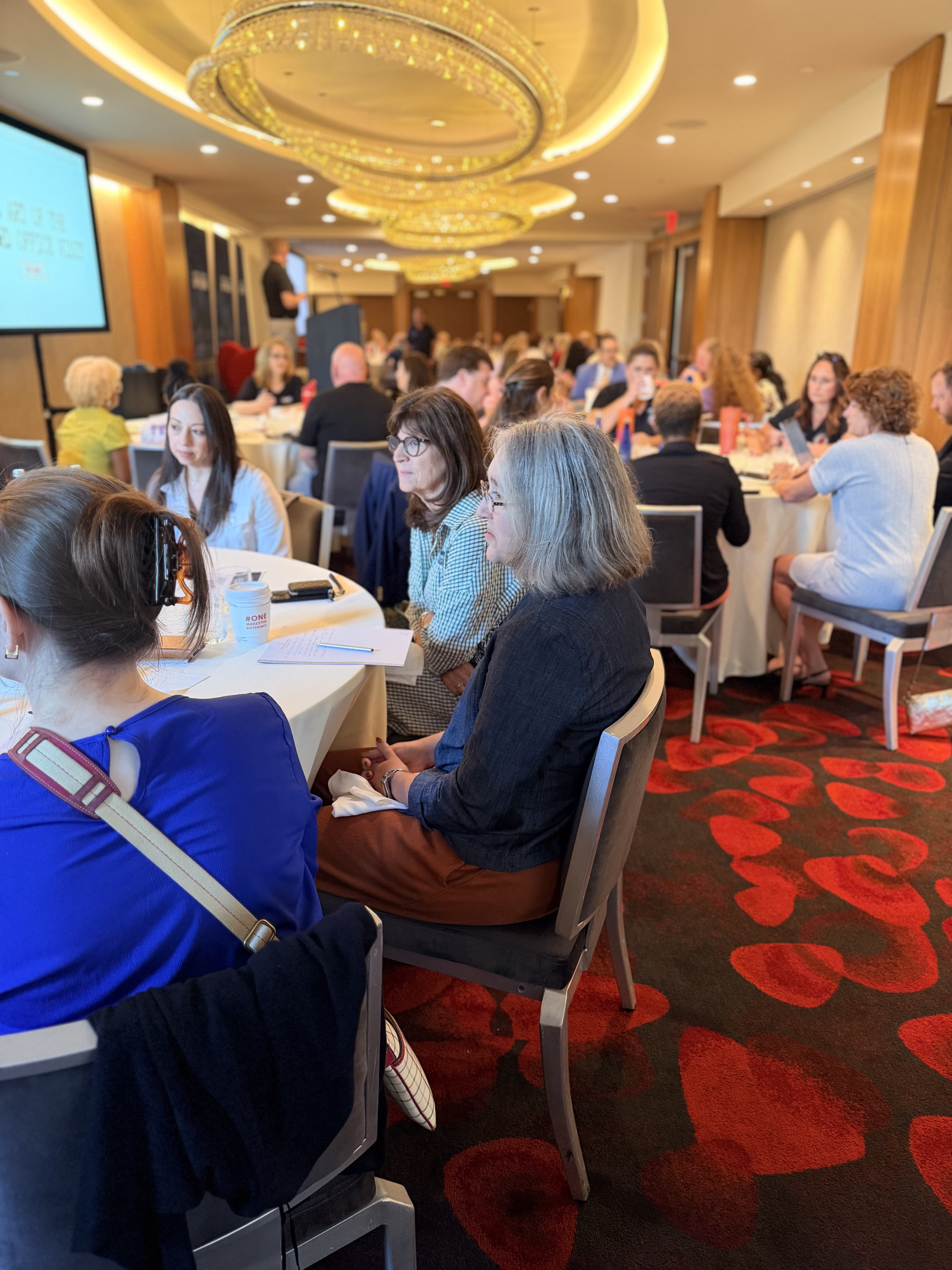
The 2026 Parent Leadership Conference is officially in the books, and what a three days it was. Parents, advocates, lawmakers, and friends of the movement gathered at The Watergate in Washington, DC from June 10 through June 12 for what turned out to be one of the best PLC’s to date.
From the moment we kicked off with our welcome reception, you could feel the buzz and energy right away.
Maybe it was excitement for being in the nation’s capitol. Maybe it was the setting at the historic Watergate hotel. Maybe it was the moment we're in for school choice.
Maybe it was all three.
From awards to meetings on Capitol Hill, we recap this year’s event below.
Thursday: The Main Event
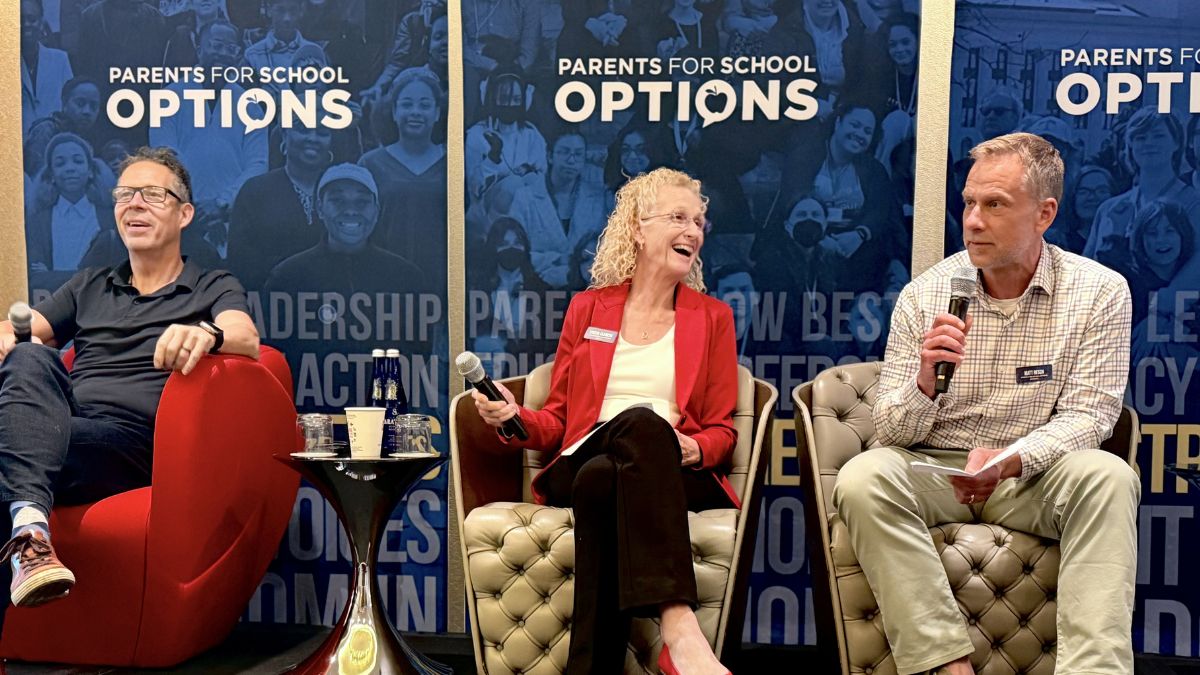
Thursday, June 11 was the heart of the conference: a packed day of rapid-fire sessions, panels, and workshops designed to give parent advocates the tools, the data, and the messaging they need to keep moving the needle in their states.
The day's keynote came from Congressman Mark Alford, whose remarks on school choice and the irreplaceable role of parents in their children's education resonated deeply with the room. His message was a powerful reminder of why this work matters and who it is really for.
"School choice is about one fundamental, undeniable truth. And that is that your children belong to you, not the government." - Rep. Mark Alford
We were proud to present our National Golden Apple Award to Rep. Alford in recognition of his leadership and consistent advocacy for parents, students, and school choice.

Another highlight was a presentation from John Watson, founder of the Digital Learning Annual Conference (DLAC), who walked the audience through the free and reduced lunch data report DLAC released late last year. The findings are eye-opening: across the country, over 500,000 public school students who qualify for free and reduced meals are being left out of the program simply because they learn from home. They meet every income requirement. They are enrolled in public schools. And yet, they are going without meals their peers in traditional buildings receive every day.
The rest of the Thursday lineup focused on the practical work of advocacy. A lunch panel on advocating on the Hill broke down what works inside a Congressional office… and what doesn't. A separate session on message discipline reinforced the importance of staying on message, even when the conversation gets off track. Attendees also heard insights from the fights and ground game from earlier this year, with a candid look at the wins, the losses, and the lessons learned. There was also an option to engage with a social media training designed to help advocates carry the message home and into their digital communities.
Lastly, we took time to recognize a different kind of leader: the student recipients of the 2026 PSO Scholarship, announced earlier this year. A video tribute played for the room, showcasing the futures these students are building and the applications they submitted.
Thursday: Celebration Dinner at The Vault
The Watergate leaned all the way into its history for the celebration dinner. Attendees were treated to tours of the Scandal Suite, the very rooms where the Watergate scandal unfolded, followed by a reception inside The Vault. The setting alone made the evening unforgettable.
But the awards ceremony is what people will be talking about.
The Sheryl Stecker Excellence Award, given for visionary leadership at the state level, tireless advocacy, and unwavering dedication to empowering families and advancing educational opportunity for all, was presented to Mike and Tanja Mecey of California Parents for Public Virtual Education. Anyone who has worked alongside Mike and Tanja knows exactly why they earned this honor. They are creative, reliable, and remarkably effective, and their work over the past year leading the fight against AB 84 in California, a bill that would have threatened virtual charter schools and the students who depend on them, was nothing short of extraordinary. The movement is stronger because of leaders like them.

The Lori Cooney Memorial Lifetime Achievement Award went to Melissa Ley of Florida. A fierce leader and a true champion of choice in her state, Melissa has testified countless times, shows up ready to jump into any fight, and brings a relentless commitment to students and families. Honoring her with an award named in memory of Lori Cooney could not have been more fitting.

Friday: Off to the Hill
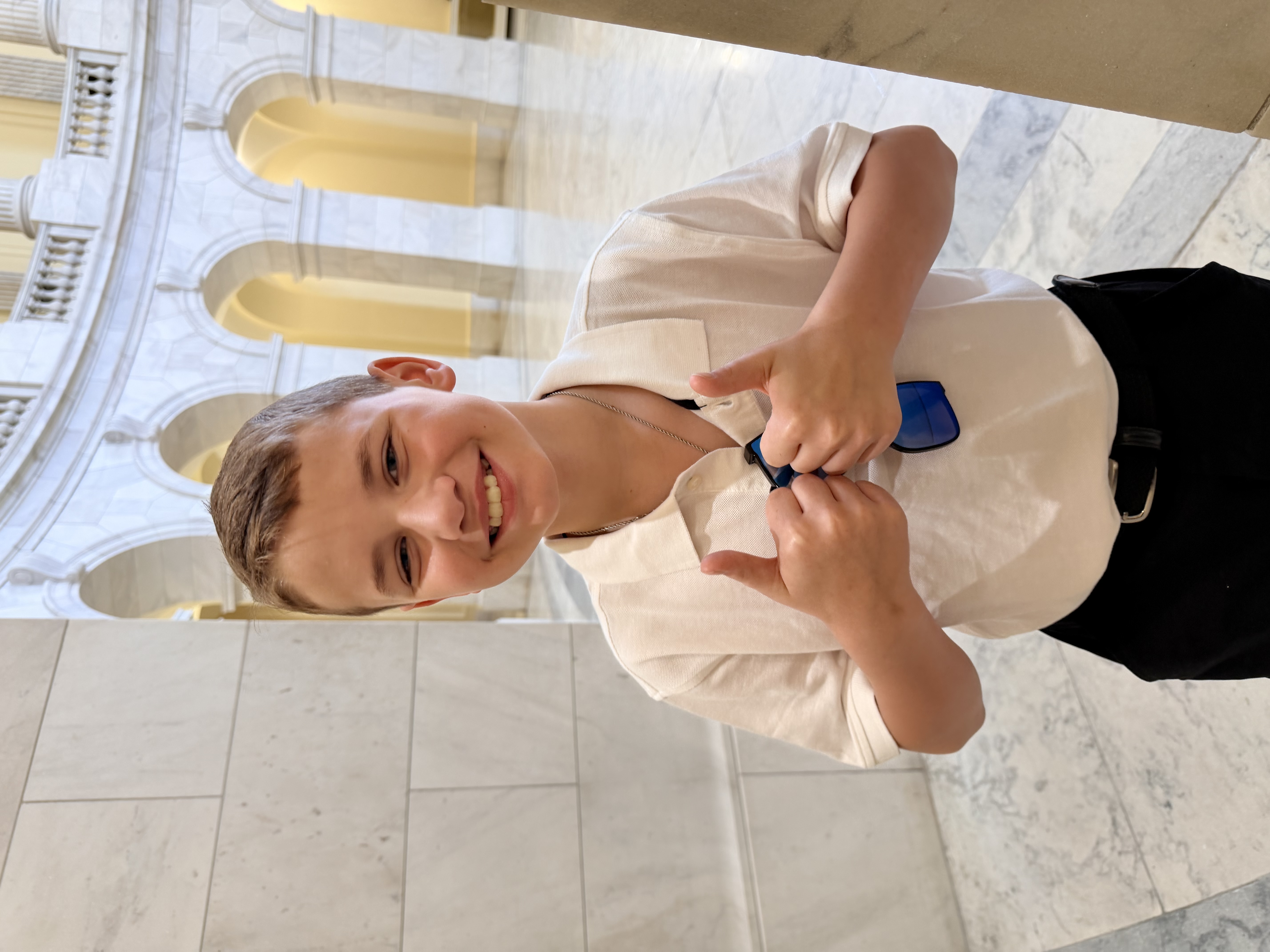
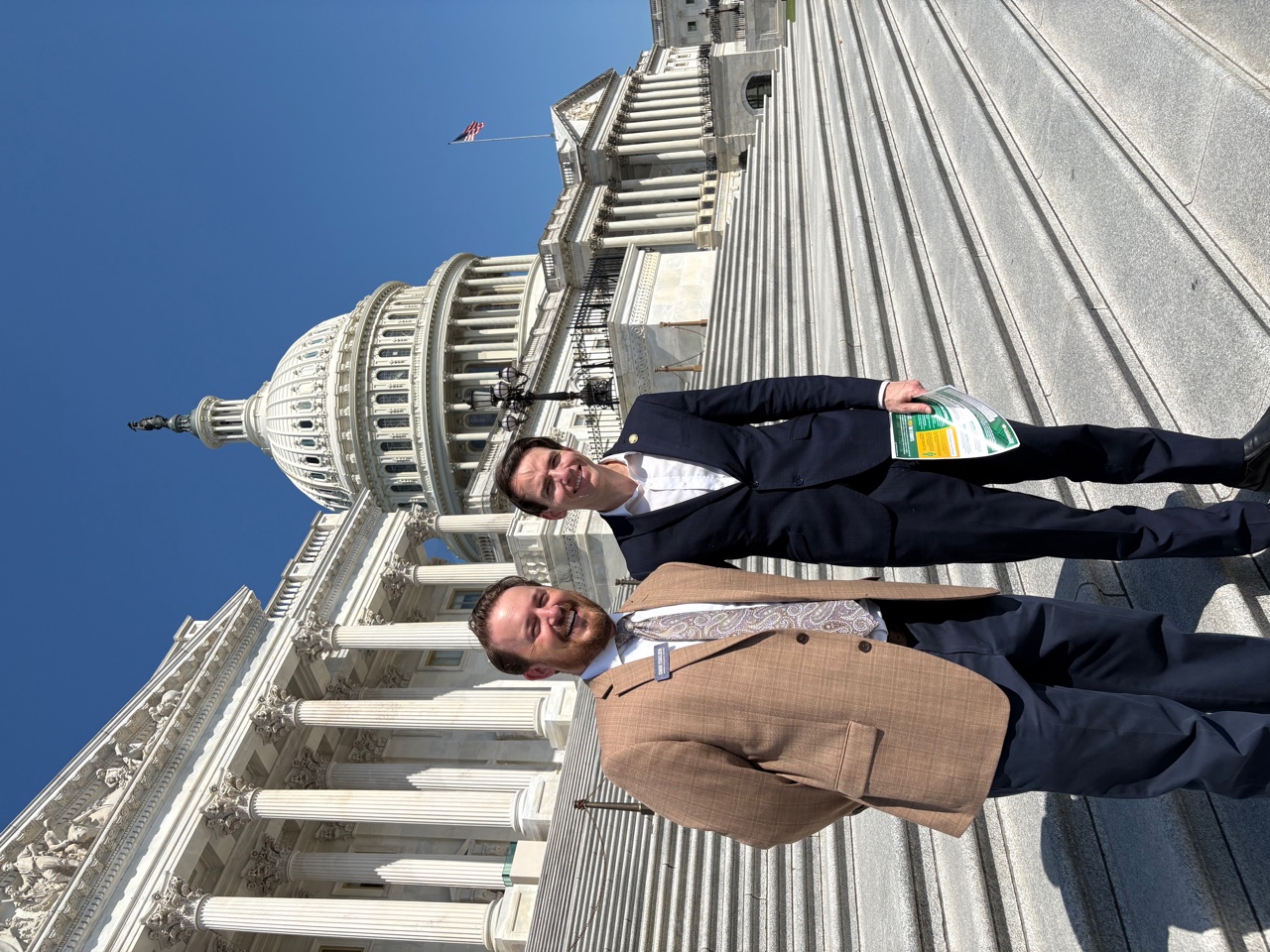
Friday morning, June 12, the PLC crowd traded conference badges for Capitol Hill visitor passes and headed up to meet with over 35 members of Congress and their staff. Meetings included offices on both sides of the aisle, among them Sen. Chuck Grassley, Sen. Michael Bennet, Sen. Joni Ernst, Sen. Todd Young, Sen. Elissa Slotkin, Rep. Scott Franklin, Rep. Rudy Yakym III, and Rep. Morgan Griffith.
The ask was focused: include virtual learners in the federal free and reduced lunch program.
The free and reduced lunch program is one of the largest federal nutrition programs in the country, and eligibility is determined by family income, not by where a child happens to sit during the school day. A student qualifies because of what their family earns, not because of the type of public school they attend. The basic principle is straightforward, and it is hard to argue with.
Yet for years, the program has been administered in a way that essentially shuts out students who learn online. Children enrolled in public virtual schools do not have access to the meals their classmates in brick-and-mortar buildings receive, despite qualifying based on their household income.
Same district.
Same eligibility.
Same kids.
Different access to food.
That is the gap PSO advocates raised on the Hill. Armed with the DLAC data, their personal stories, and the message sharpened during the previous day’s sessions, parents walked into office after office and made the case. Many staffers were surprised to learn that this gap existed, which is precisely why this work matters, and why showing up in person makes a difference.


A Movement Reset
PLC 2026 was more than three days of programming. It was a reset, a reminder, and a re-energizing of a coalition of parents that is only growing more organized, more disciplined, and more determined.
A sincere thank you to every parent and advocate who made the trip, to the keynote speakers and panelists who shared their expertise, to the staff who made it all possible, and to the award recipients and scholarship winners who reminded everyone in the room what is truly at stake.
See you at PLC 2027.